
Fall is when Issaquah’s forests come alive. From October into November, bigleaf and vine maples turn gold and red against the evergreens, mushrooms push up through the moss after the first real rains, and wildlife gets busy before winter. Best of all, most of it sits within minutes of downtown, on trails that are free or close to it.
Here’s where to go and what to look for, from a family company full of adventurers that’s called Issaquah home since 1954.
Why is fall a good time to explore Issaquah?
The season shift happens fast here. For Issaquah, that’s usually right after Salmon Days, as the salmon run starts to wind down. The first steady rains usually arrive in October, and within a few weeks the forest looks completely different. Moss greens up, creeks run full again, and the salmon that spawned leave behind nutrients that feed the whole ecosystem and the next generation. Meanwhile, the summer crowds thin out at the trailheads.
It’s real Northwest weather, so plan for it. As outdoor enthusiasts say, “there’s no bad days, only bad gear.” Trails get muddy, the days shorten quickly, and a rain shell is more useful than sunglasses. Head out in the gaps between showers, and the forest rewards you for it.
Always be prepared, be a good steward of the land, and pack out everything you bring in. Leave no trace behind! That includes doing your dooty as a responsible dog owner. Pick up after your four-legged friend(s).
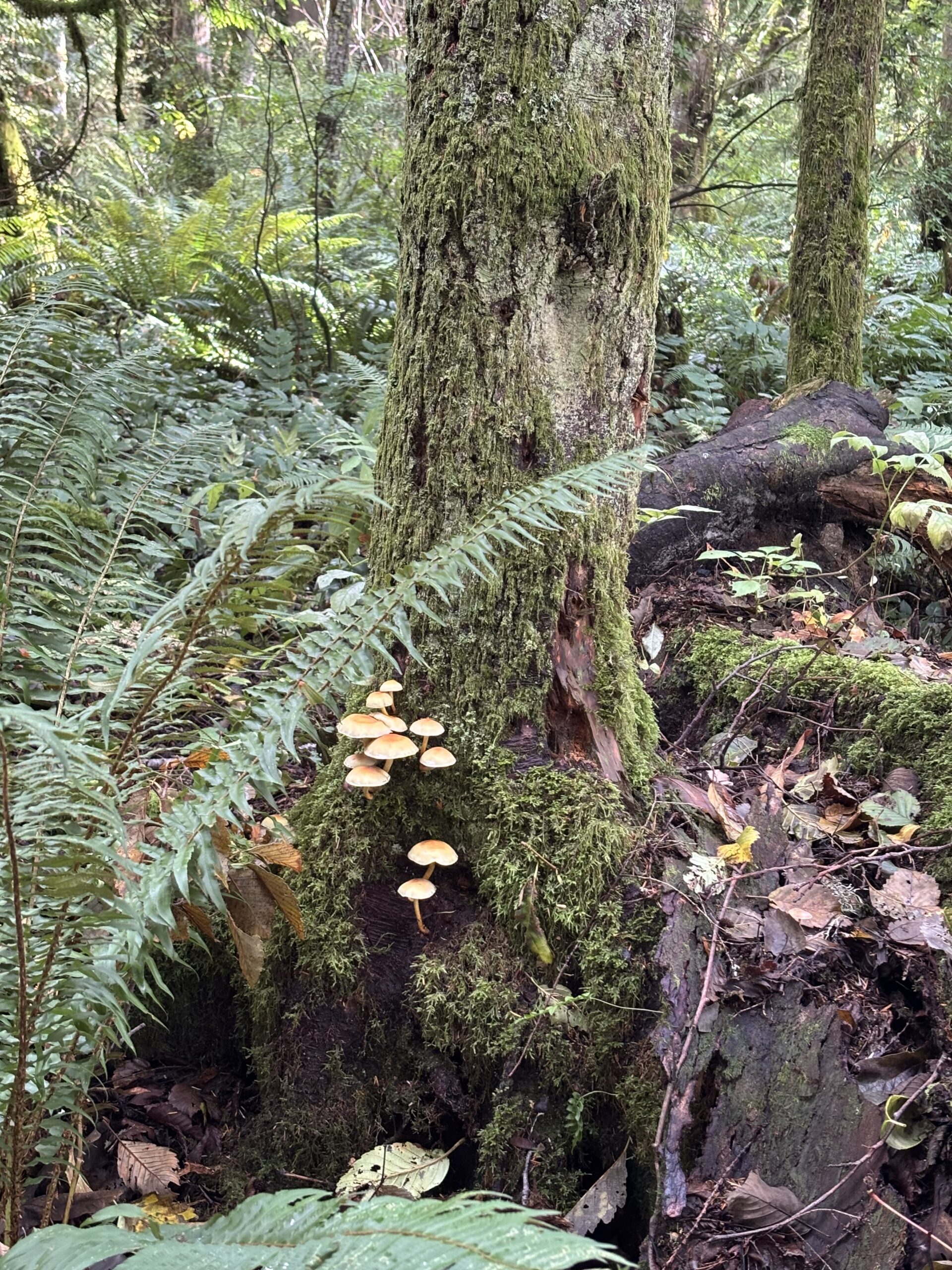
Where can you see fall color in Issaquah?
Look for the maples. Bigleaf maples line creeks and lower slopes with huge yellow leaves, while vine maples glow orange and red in the understory. Because they’re mixed in with dark firs and cedars, the color pops in a way you don’t get in an all-hardwood forest. Gilman Boulevard offers picturesque views this time of year as well, with its row of trees and the city’s edible landscaping.
Lake Sammamish State Park is the easy option. The paths near the lakeshore and Issaquah Creek are flat and open, good for families or a quick walk. A Discover Pass is required to park.
Squak Mountain State Park is the quieter choice. The Bullitt family’s 1972 gift that created the park required the land to stay unlogged, so it holds some of the best-preserved forest in the Issaquah Alps. Expect a climb, mossy trails, and fewer people.
Cougar Mountain Regional Wildland Park covers more than 3,000 acres on the west side of town, with creeks, marshes, and waterfalls along a big network of trails.
Confluence Park offers a leisurely stroll and a walk across the bridge with beautiful views of the creek. Make sure to stop by one of the Front Street restaurants or retailers to make the most of your day. For shops, dining, and events, see the Downtown Issaquah Association, or catch a show at Village Theatre.
What wildlife can you see around Issaquah in the fall?
More than most people expect. Cougar Mountain and Squak Mountain are linked by a protected corridor, creating more than 5,000 acres of connected public land. Deer, coyotes, and bobcats live here, along with black bears, which are especially active in fall as they prepare for the winter months ahead.
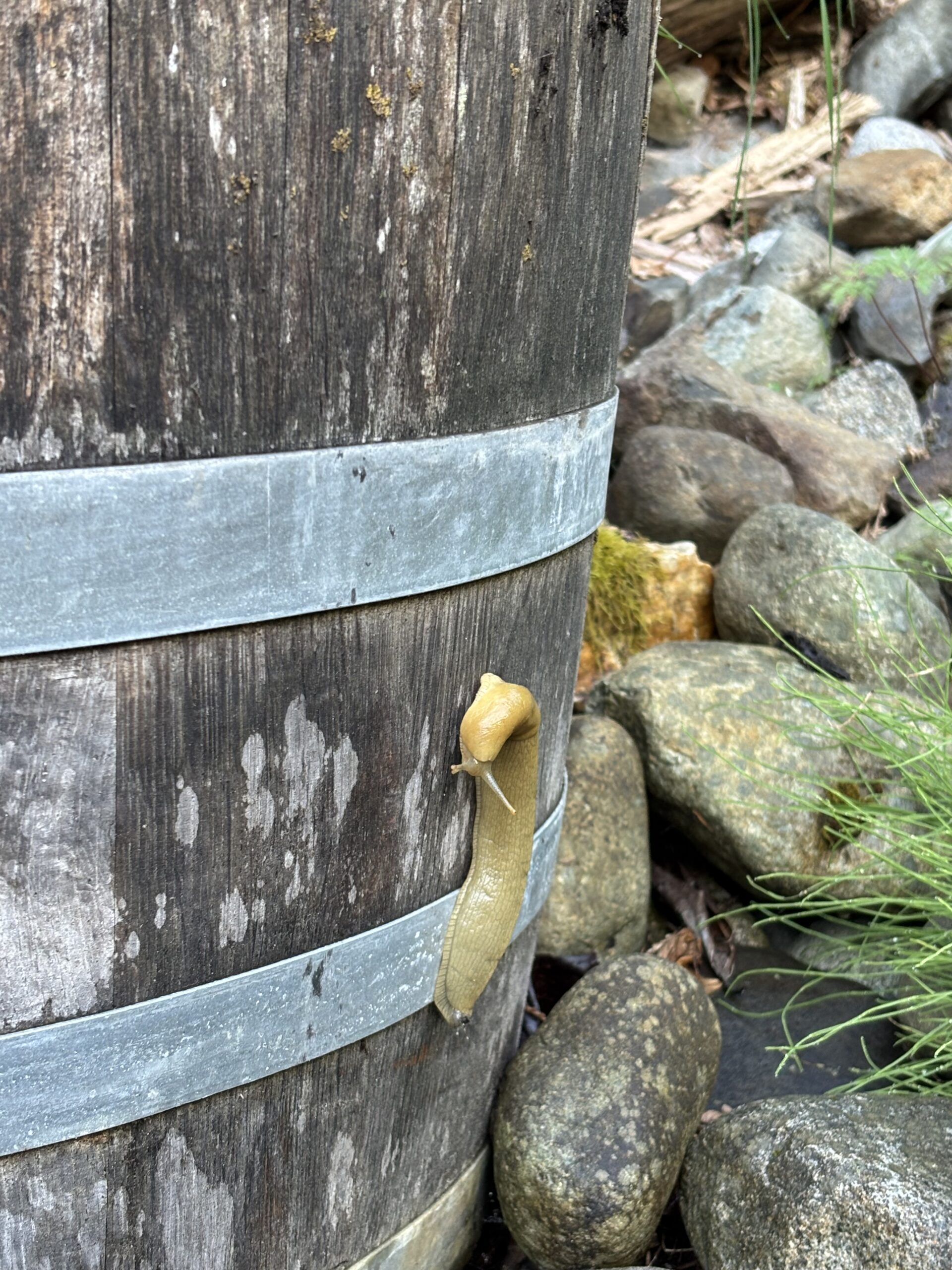
Most of what you’ll actually see is smaller and closer to the trail. Listen for pileated woodpeckers, the big red-crested woodpeckers that leave rectangular holes in old snags. Chickadees, Douglas squirrels, and the Pacific banana slug (a genuine local favorite) round out a typical fall walk.
Give the bigger animals plenty of room. Keep dogs leashed, talk on blind corners so you don’t surprise anything, and never ever feed wildlife.
What about the mushrooms?
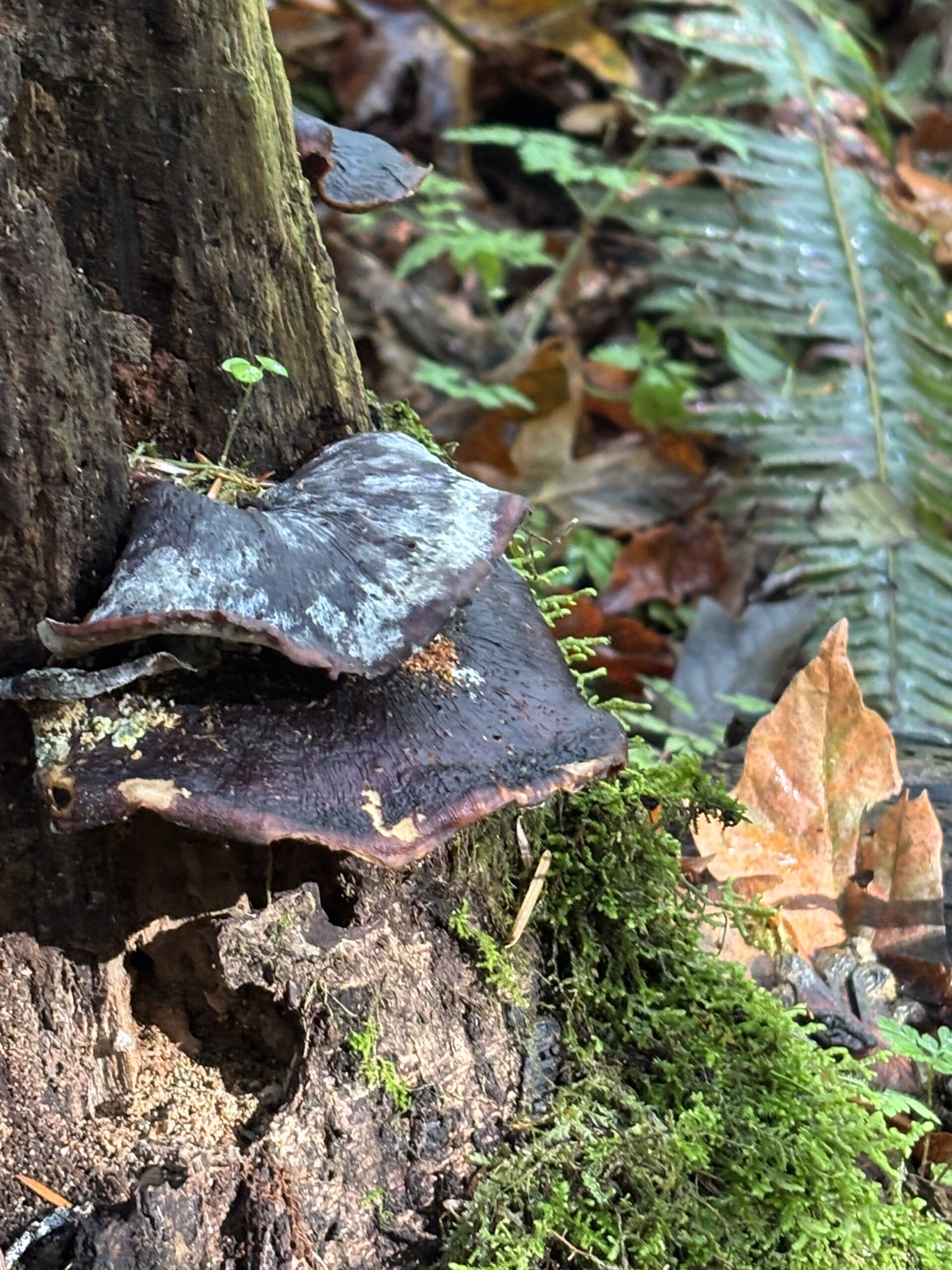
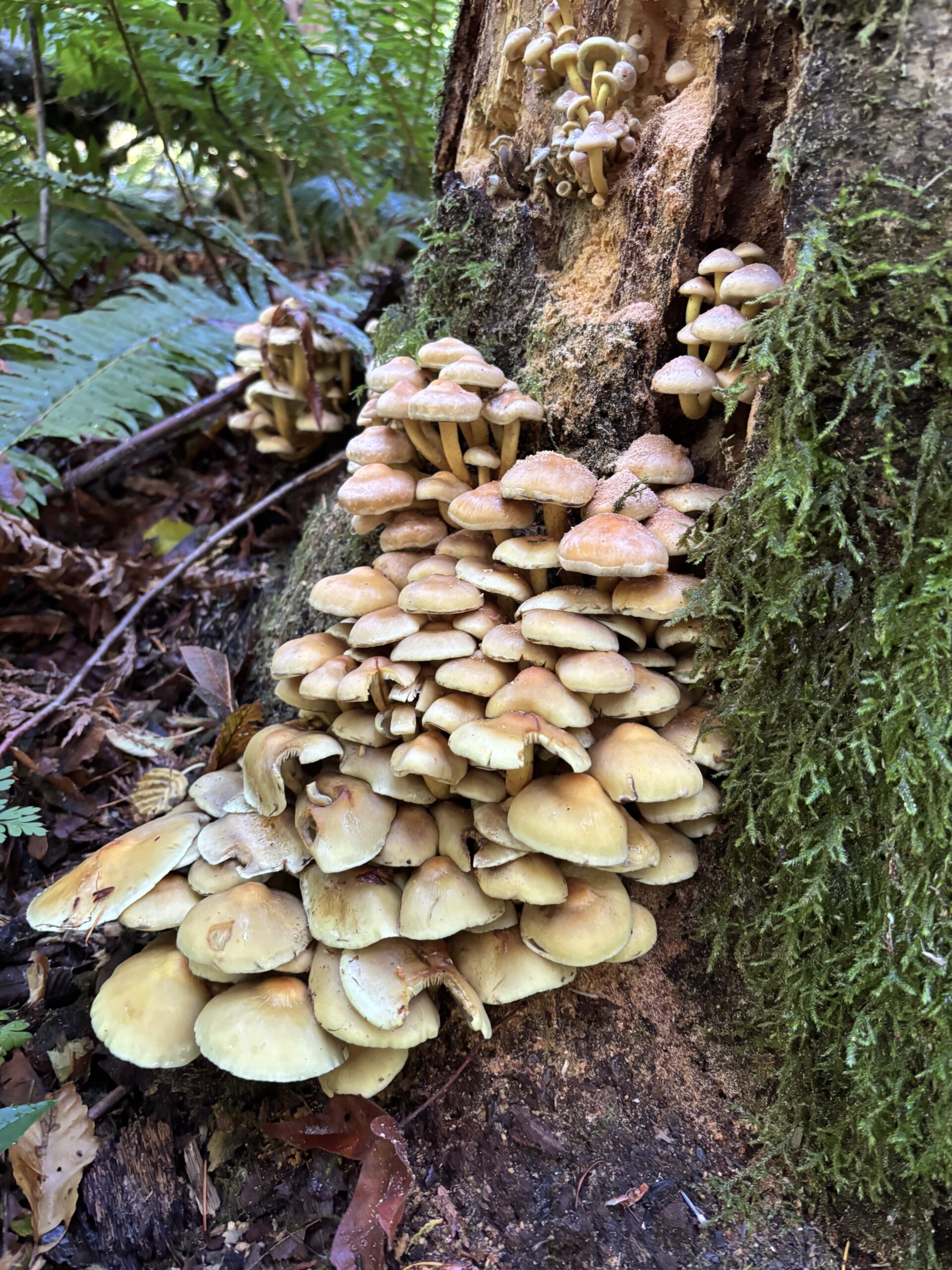
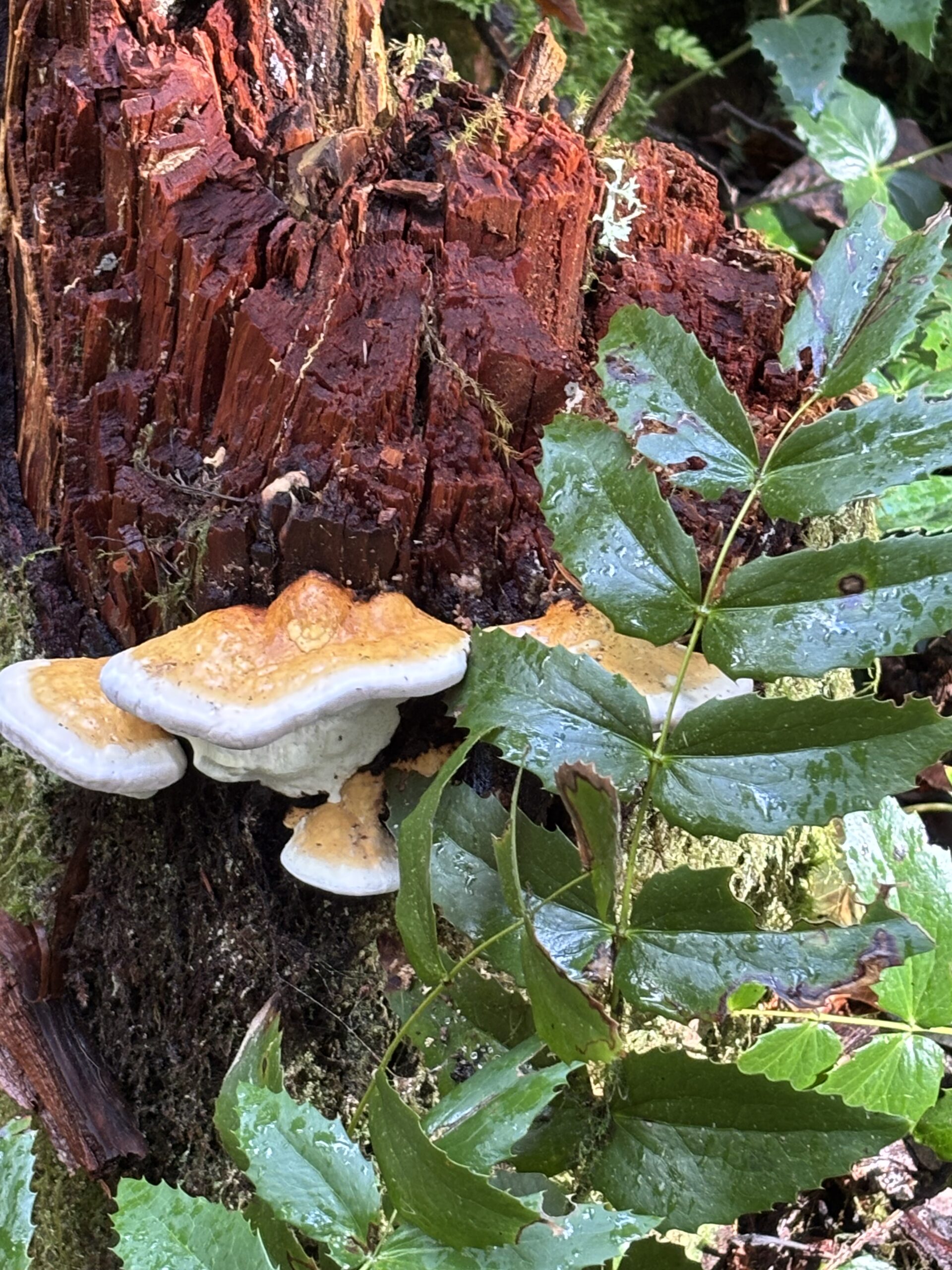
Fall rain brings a mushroom show to the Issaquah Alps. Shelf fungi stack up on fallen logs, bright caps poke out of the moss, and you’ll find shapes that are hard to put a name to. They’re one of the best reasons to slow down on a fall hike.
Enjoy them with your camera and leave them where they grow. Many species have toxic lookalikes, and the forest needs them to break down old wood and feed the soil.
When can you see kokanee salmon near Issaquah?
If the big salmon at the hatchery are the headline, kokanee are the local secret. Lake Sammamish kokanee are small, landlocked salmon that spend their whole lives in fresh water, and they’re one of only six known native kokanee populations in Washington.
Look for them from early November through late January in a few small creeks that feed the lake, including Lewis Creek in Issaquah and Laughing Jacobs Creek near Lake Sammamish State Park. Their numbers have dropped in recent decades, so sightings can be hit or miss. The Mountains to Sound Greenway Trust’s salmon viewing guide is a good place to start.
For the bigger fall run at the hatchery, see our guide to watching the salmon run near Issaquah.
Where should you stay to explore Issaquah in the fall?
If you live here or you’re thinking about moving, it’s hard to beat being right next to the trails. Wildwood Apartment Homes sits above Issaquah Creek near Squak Mountain, with creek and trail access just outside and forest and mountain views from home. Fall color and the sound of a full creek are part of the daily routine.
If you’re visiting, the two Hilton-franchised hotels in our portfolio put you a short drive from every trailhead in this guide. Homewood Suites by Hilton Seattle-Issaquah suits longer stays, with full kitchens in every suite and free hot breakfast before a morning hike. Hilton Garden Inn Seattle/Issaquah works well for a weekend, with Trailhead Kitchen and Bar on site and an indoor pool and hot tub for tired legs. Both offer free parking.
Frequently Asked Questions
When do the leaves change in Issaquah? Fall color in Issaquah generally runs from October into early November. Bigleaf maples turn yellow and vine maples turn orange and red, standing out against the evergreen forest.
What animals live in the Issaquah Alps? The Issaquah Alps are home to deer, coyotes, bobcats, and black bears, plus birds like pileated woodpeckers and chickadees. Most hikers see birds, squirrels, and banana slugs. Larger animals are around but usually keep their distance.
Is it safe to pick mushrooms on Issaquah trails? It is best to photograph them and leave them be. Many wild mushrooms have toxic lookalikes, and they play an important role in keeping the forest healthy.
When can you see kokanee salmon near Issaquah? Lake Sammamish kokanee spawn from early November through late January in small creeks that feed the lake, including Lewis Creek in Issaquah and Laughing Jacobs Creek near Lake Sammamish State Park.
Do you need a pass to hike near Issaquah? Washington state parks, including Lake Sammamish and Squak Mountain, require a Discover Pass to park. Cougar Mountain Regional Wildland Park is a King County park and doesn’t require a parking pass.